Fix your dialogue: a hands-on guide
Perhaps your characters sound alike, sound like you, speak their mind too much, or slow the action with exposition. Either way, if writer’s block is creeping in, these tips help your dialogue pack more punch.
TL;DR
Create distinctive voices for each character
Turn dialogue into character expression
Use dialogue as action
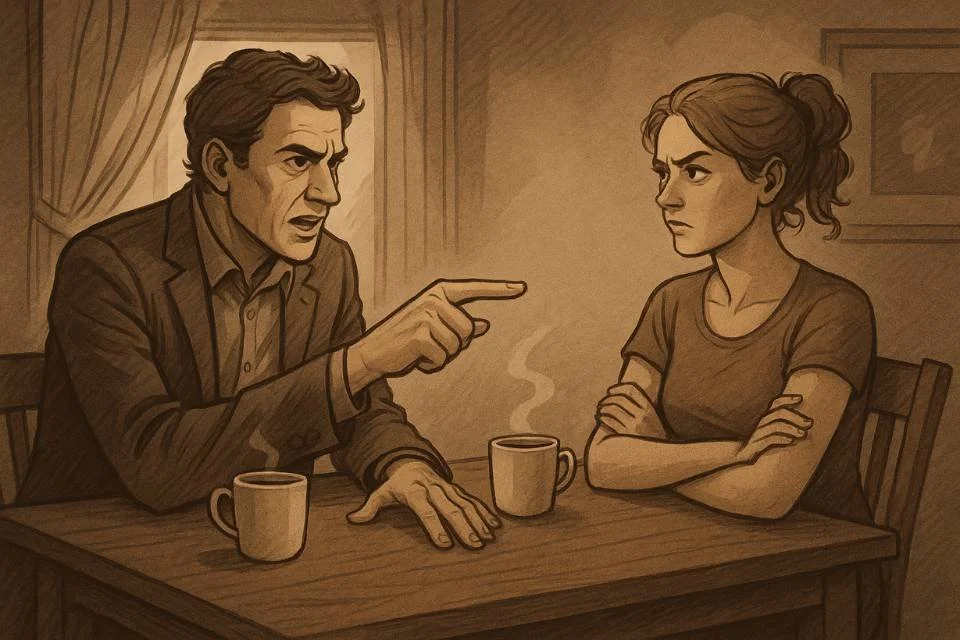
Create tension with silence
Avoid exposition dumps
Write with more subtext
Craft snappy, punchy dialogue
Revising dialogue for your next draft


1. Create distinctive voices for each character
Anchor dialogue to each character’s thematic contrast to the protagonist
Make the character’s unique voice behavioral, not stylistic
Use background and personality to shape vocabulary
Give each character their own phrasing and idiolect
Add contradicting traits within your characters
Reveal contrast through scene pairings
Check out how to make your characters sound as different from each other as Tyrion Lannister and Arya Stark:
2. Turn dialogue into character expression
Use dialogue to perform the character’s narrative role
Use archetype as a baseline for your dialogue
Let justifications for their decisions establish how the character perceives the world
Use reactions in dialogue to reveal what the character values
Force their beliefs into spoken action during a dilemma
Embed character traits and quirks into the spoken line’s underlying action
Use vocabulary, not facts, to reveal character background
Make the spoken line behave like that mind would behave
Use dialogue to express worldview, background, personality, and quirks without spelling it out.
3. Use dialogue as action
COMING SOON
A great line can threaten, seduce, manipulate, deflect, and transform power dynamics within a scene. When you stop treating dialogue as a way to “say things” and start treating it as action, the scene lives. This upcoming guide will show you how to give every line a verb — to argue, to dodge, to seduce, to test — so your dialogue drives plot instead of sitting on top of it.
Let your words drive the scene without blurting out the obvious.
4. Create tension with silence
COMING SOON
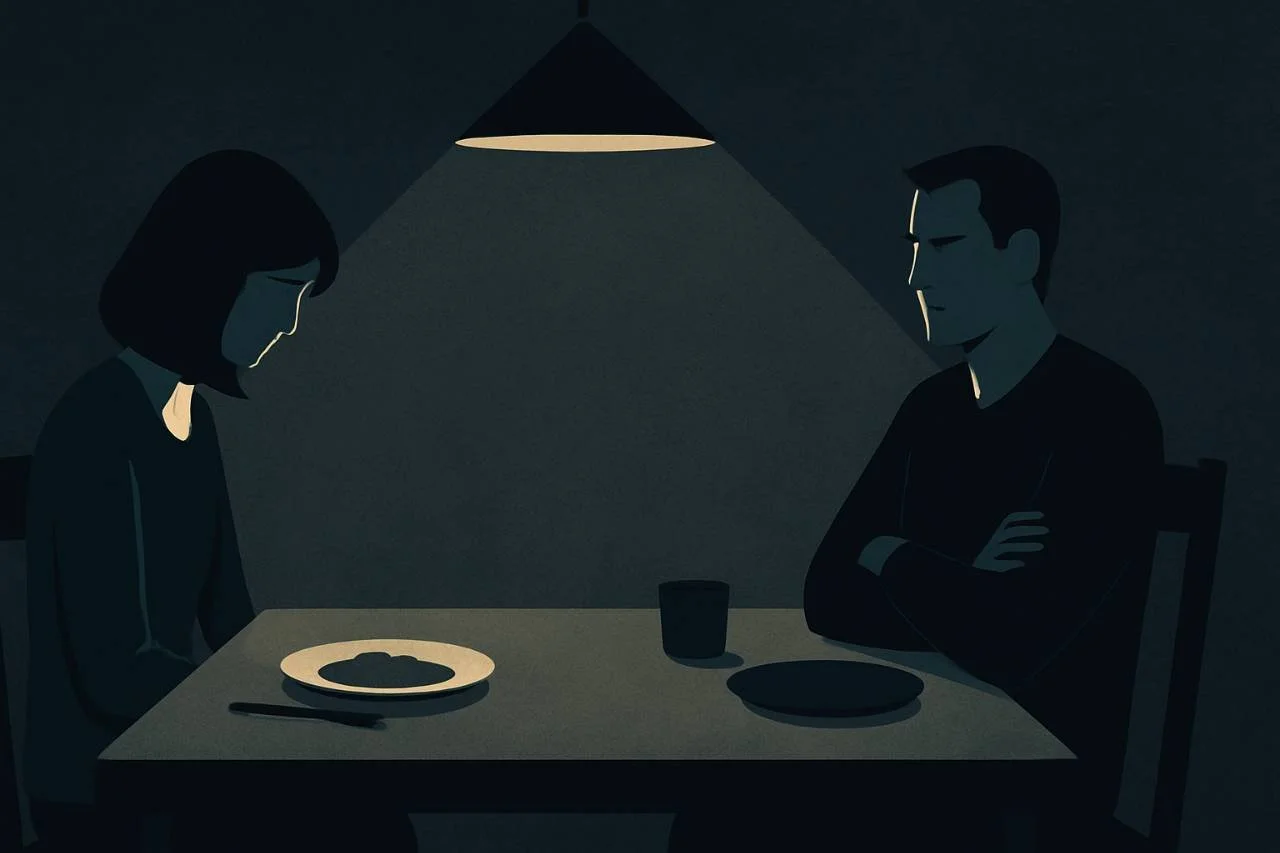
Silence is dialogue’s secret weapon. The things your characters don’t say — the pauses, dodges, glances, and interruptions — often carry more emotion and meaning than their words. This upcoming post will teach you how to use silence, pacing, and omission to stretch tension like a wire, turning casual exchanges into emotionally charged standoffs.
5. Avoid exposition dumps
COMING SOON
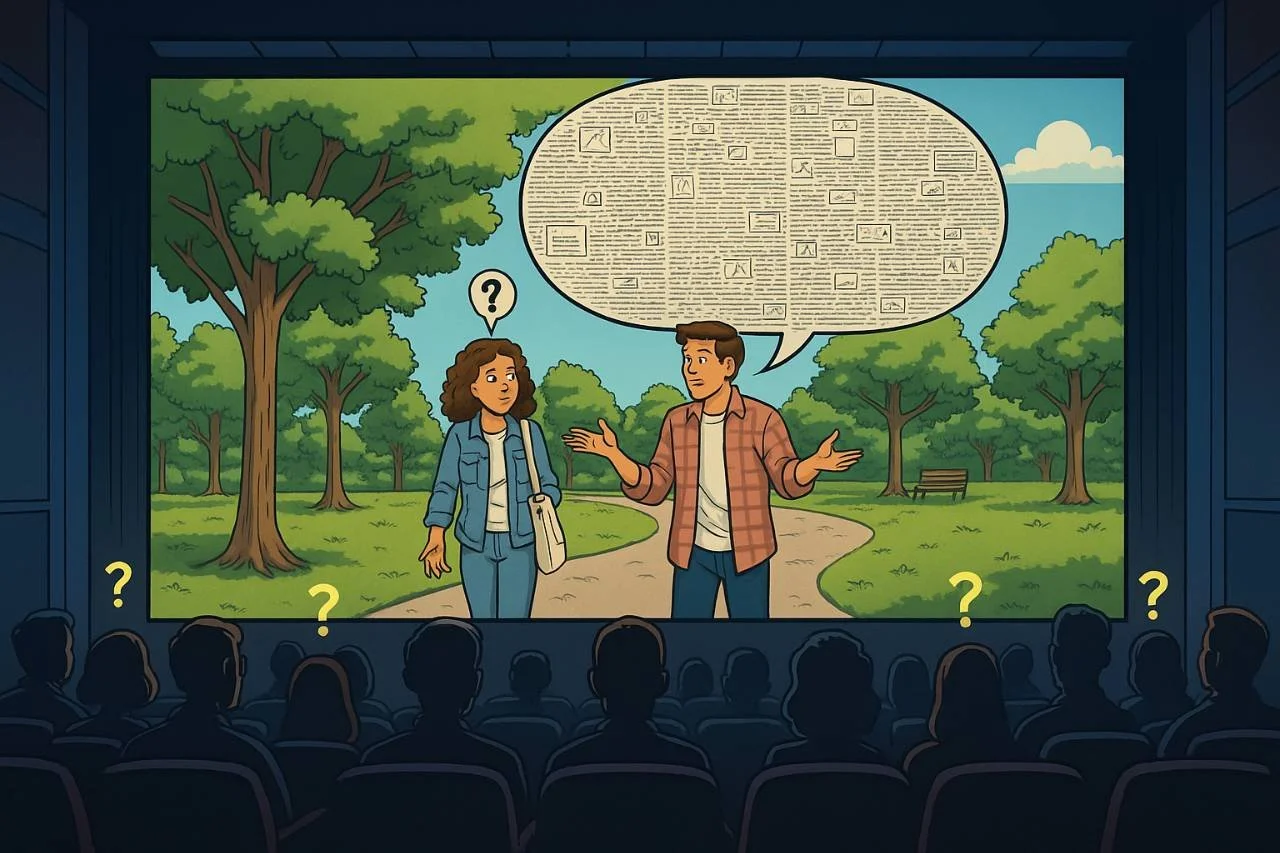
Nothing kills a scene faster than dialogue that sounds like a Wikipedia entry. But exposition doesn’t have to be boring. Done right, it’s invisible. This article will show you how to slip information into conflict, reveal facts through vocabulary and reaction, and keep the audience curious rather than informed. Think Inception, not info-dump.
6. Write with more subtext
COMING SOON
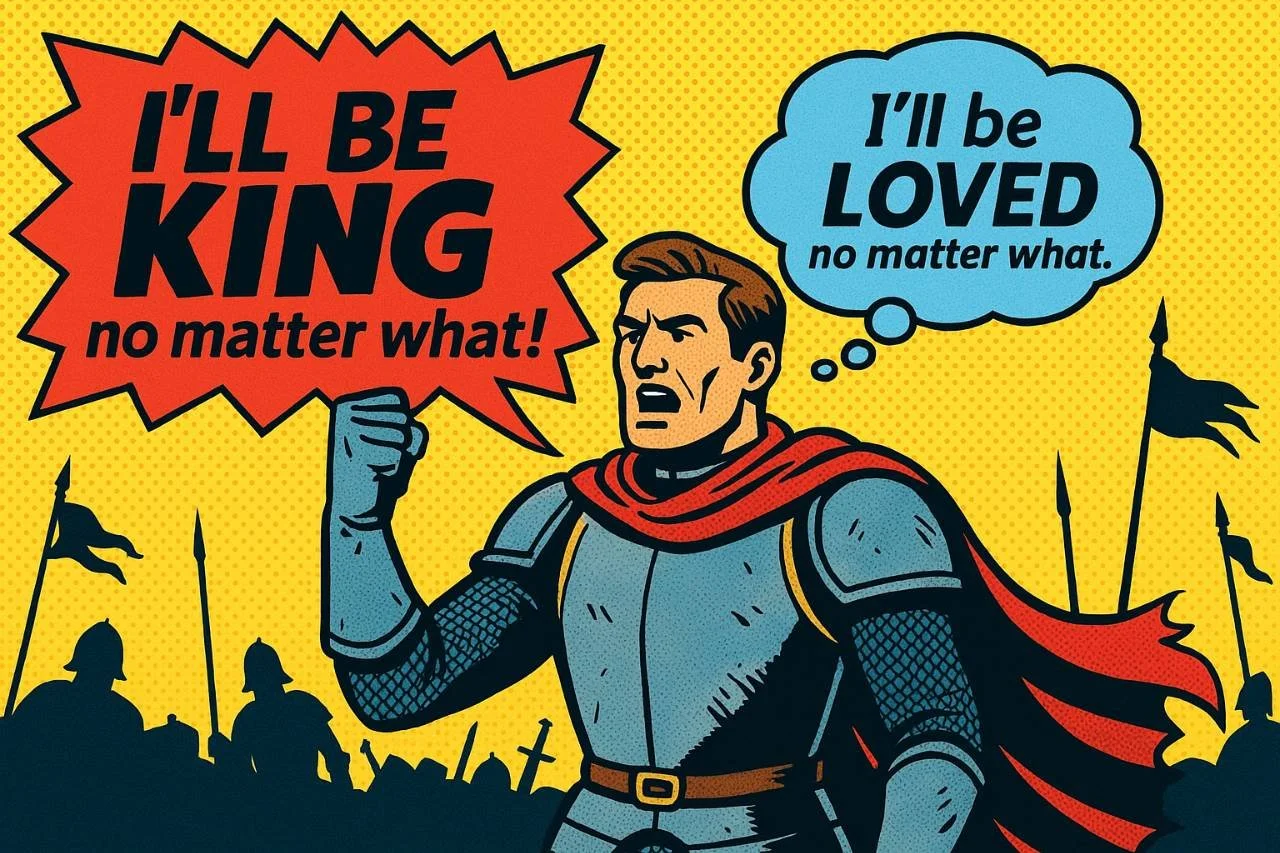
When your characters speak, what they say should rarely be what they mean. This is subtext; the friction between words and motives. It’s that hidden tension that makes audiences see through the character’s veneer and forget they’re in the cinema or flipping through pages. The upcoming subtext guide explores how to make lines double as defense mechanisms, flirtations, threats, and confessions all at once so that your dialogue breathes with psychological realism.
7. Craft snappy, punchy dialogue
COMING SOON
Snappy dialogue is about rhythm, contrast, and precision (not just Aaron Sorkin-style speed). This upcoming piece breaks down what makes a line “pop”: compression, surprise, and a sense of character behind every beat. You’ll learn how to cut the filler, heighten contrast between speakers, and write dialogue that bounces like a verbal tennis match.
8. Revising dialogue for your next draft
COMING SOON
Even the best first drafts have clunky dialogue. The magic happens in revision. This article will give you a practical rewrite checklist: how to strip exposition, sharpen intent, refine rhythm, and align every line with subtext or action. Think of it as a final polish for dialogue that already works, and a life raft for dialogue that doesn’t (yet).