Fix your dialogue: a hands-on guide
Create distinctive voices for each character
Turn dialogue into character expression
Use dialogue as action
Create tension with silence
Avoid exposition dumps
Write with more subtext
Craft snappy, punchy dialogue
Revising dialogue for your next draft
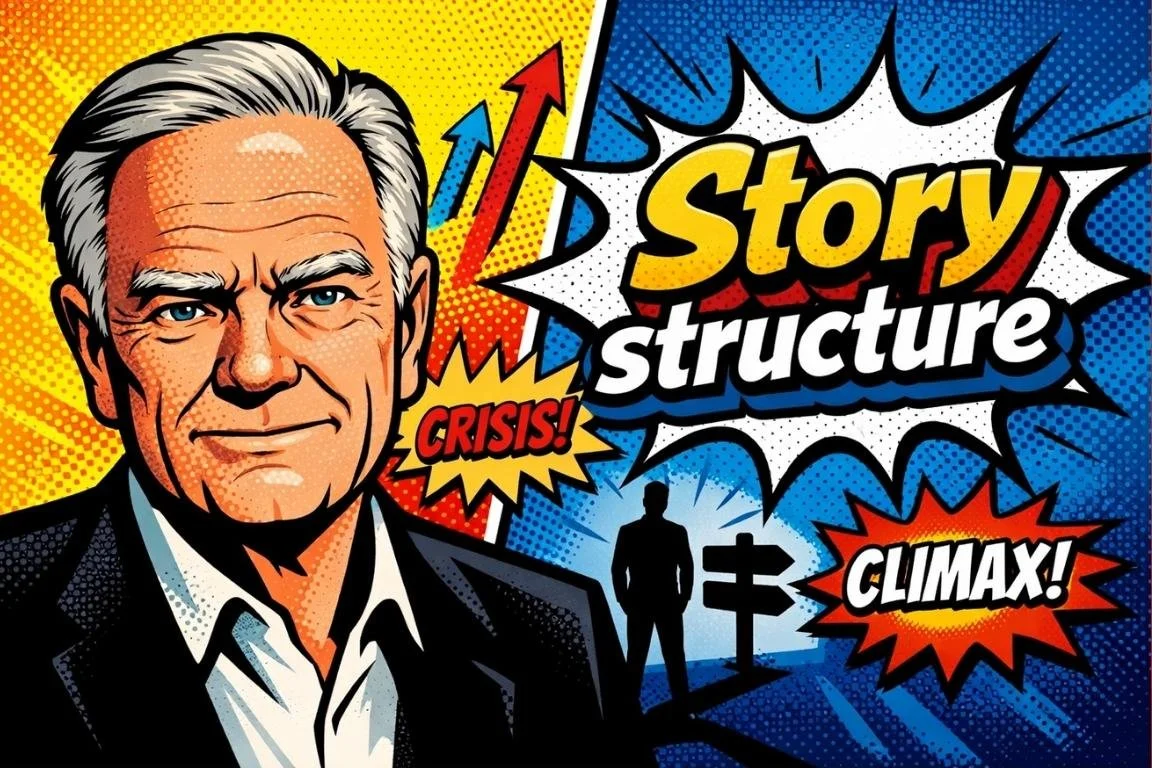
Robert McKee’s five-component story structure
Inciting Incident: a disruptive event shatters the protagonist’s equilibrium and creates a problem that cannot be ignored.
Progressive Complications: a series of increasingly difficult, causally linked obstacles intensify conflict and pressure the protagonist to adapt.
Crisis: the protagonist faces an unavoidable, mutually exclusive dilemma that forces a defining choice.
Climax: the protagonist acts on that choice in a decisive confrontation that resolves the central conflict and expresses the story’s theme.
Resolution: the story reveals the consequences of the climax and the new emotional or moral reality of the protagonist’s world.

A fresh take on “Show, don’t tell”: information density
“Show, don’t tell” is best understood as an information density problem. This may occur when a character’s words and actions overlap too much. By reducing how much information stays verbal, and partially offloading it to behavior, props, or reactions, you create more natural scenes, add suspense, and open space for character expression. The goal isn’t less dialogue, but lower information density per line.
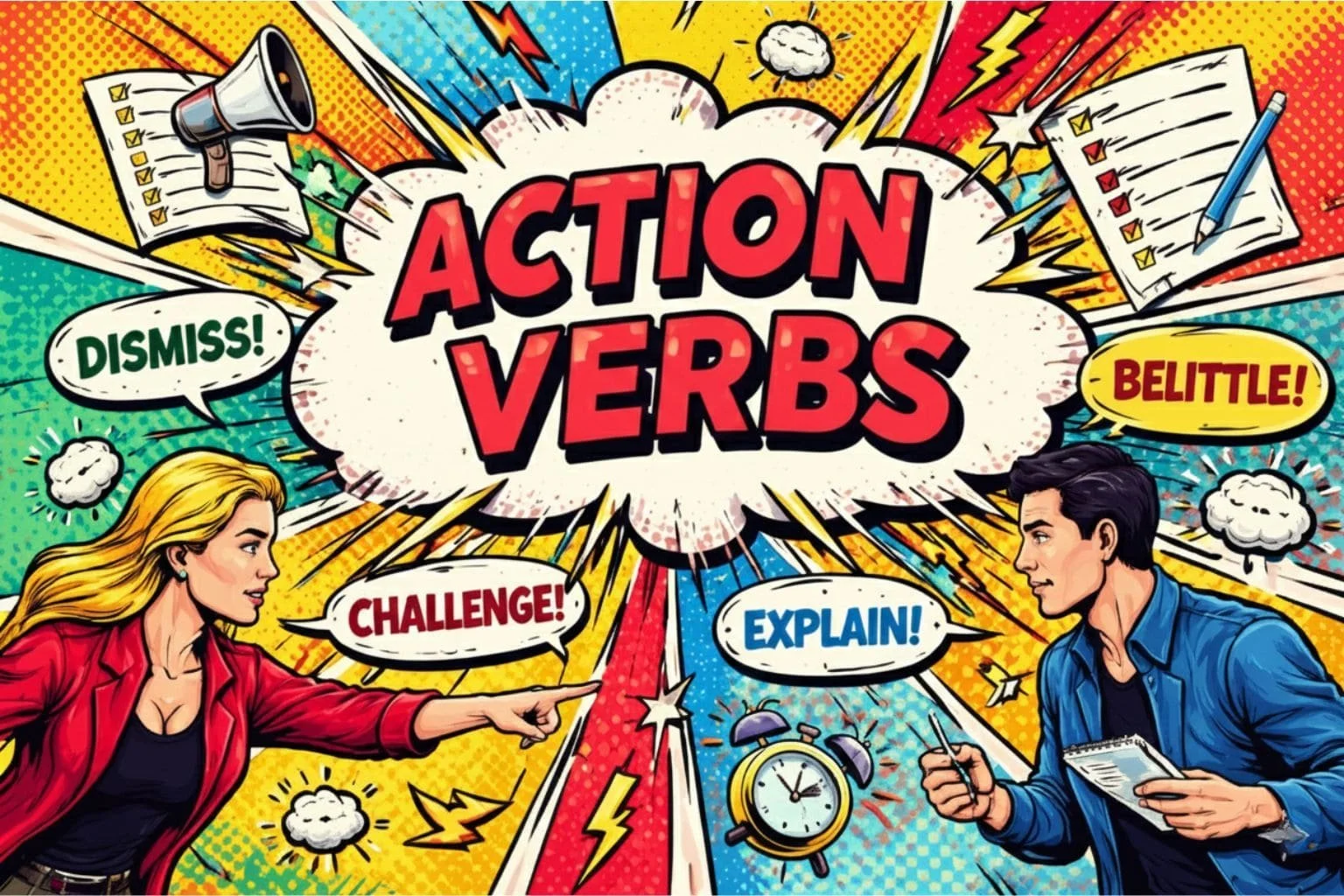
Fix fluffy dialogue with action verbs
Fluffy dialogue is when spoken lines stop carrying intent. Action-driven dialogue fixes this by starting with the character’s scene objective, choosing an action verb that serves that goal, and then writing a line (or replacing it with physical action) that performs the action. By thinking in action verbs (such as 'to dismiss', 'to challenge', 'to belittle' etc.) you create clear cause-and-effect between lines, trim filler words, and make dialogue actively move the scene forward rather than stalling it.

Exploitative antagonism: a case study of Oliver Trask (The O.C.)
One way to craft a powerful antagonist is to let them exploit the protagonist’s strengths and weaknesses with a clear long-term plan. This creates unforgettable power dynamics because the antagonist uses the hero’s own traits against them, often pushing the protagonist toward the exact downfall they fear most.
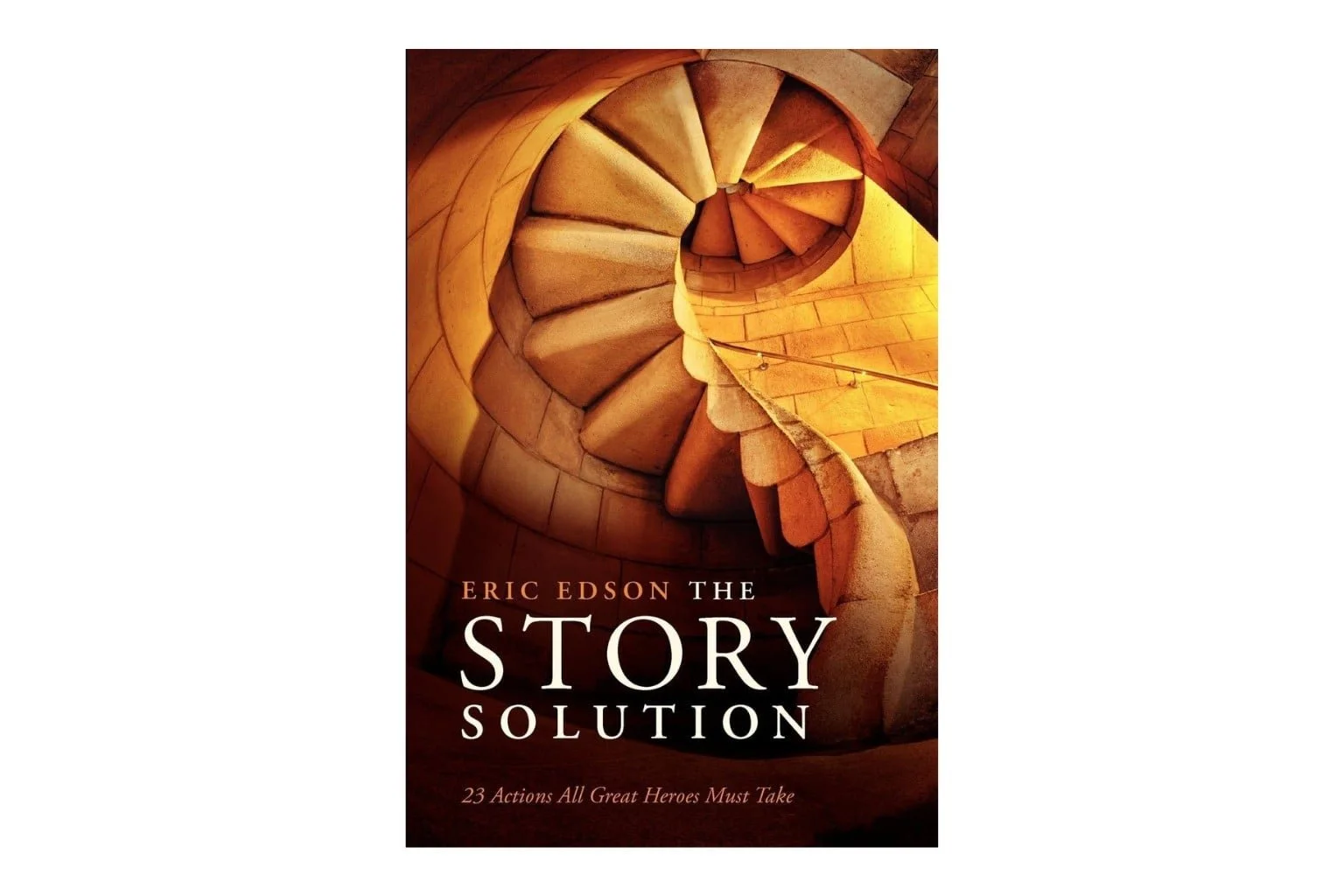
Eric Edson’s 'The Story Solution' review
Overview: presents a character-driven blueprint built around 23 “Hero Goal Sequences” that map a protagonist’s emotional and physical transformation.
Concept: Edson’s method argues that great stories feature proactive heroes who pursue clear goals through a series of action-based and emotional steps that create momentum and engagement.
Strength: highly accessible, concrete, and practical, with clear examples and a focus on keeping protagonists active and narratives moving forward.
Weakness: the 23-step structure can feel rigid or prescriptive, especially for ensemble stories or writers working in unconventional narrative forms.
Conclusion: a strong resource for writers seeking hands-on guidance for building dynamic, goal-driven protagonists and forward-moving plots, though not ideal for writers who prefer looser or more experimental approaches.
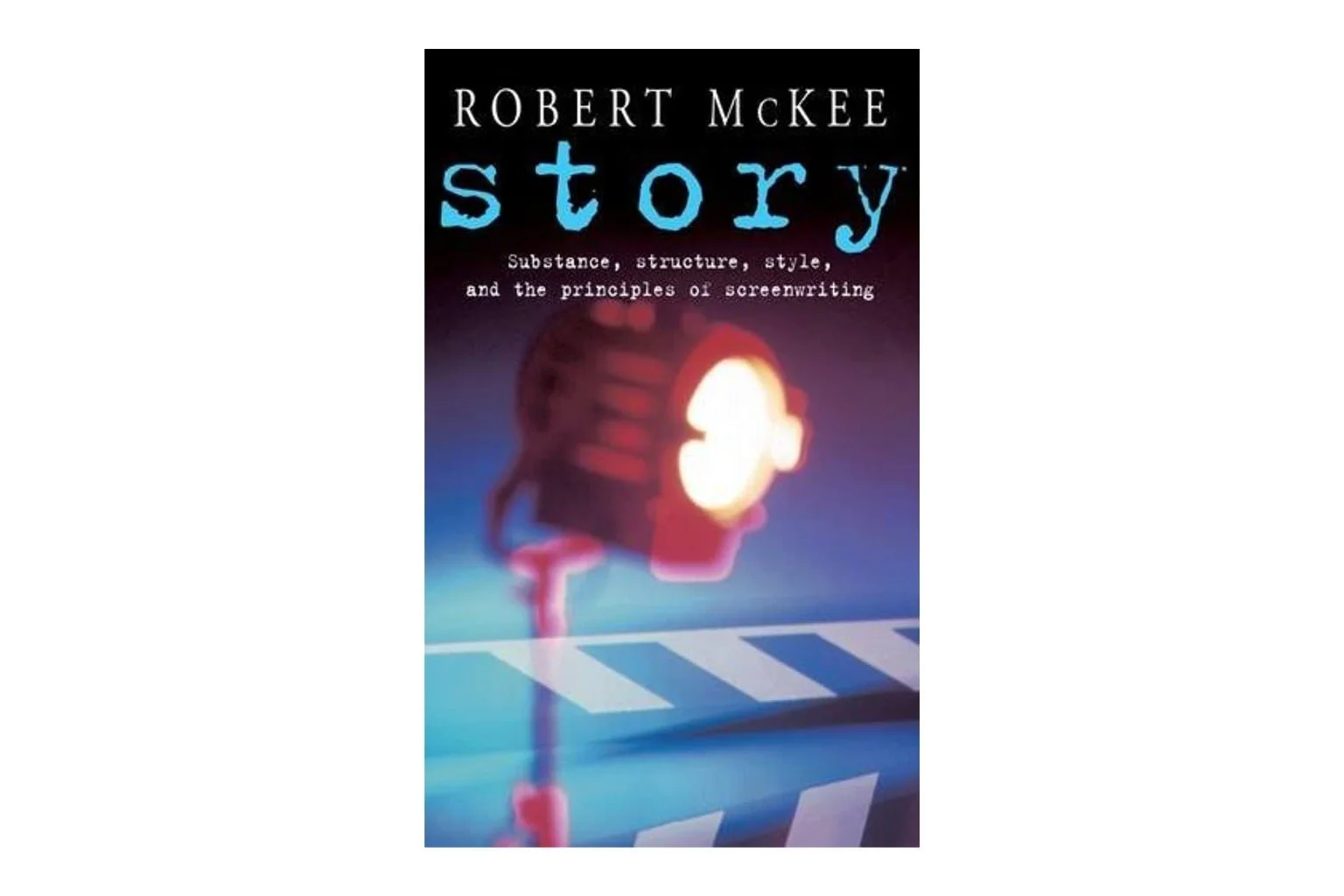
Robert McKee’s 'Story' review
Overview: presents storytelling as a craft of psychological and thematic depth, not formula, emphasizing why aöö narrative resonates emotionally and intellectually.
Concept: McKee’s principles and rigorous scene design frame story structure as an organic unfolding driven by character and meaningful change.
Strength: unparalleled depth and analytical precision, offering writers a sophisticated understanding of arcs, theme, and narrative coherence across film, TV, and literature.
Weakness: dense, authoritative, and high cognitive load can overwhelm beginners or writers seeking a simple structural roadmap.
Conclusion: essential reading for serious storytellers ready to engage deeply with narrative theory; not the most accessible entry point, but one of the most rewarding for long-term craft mastery.
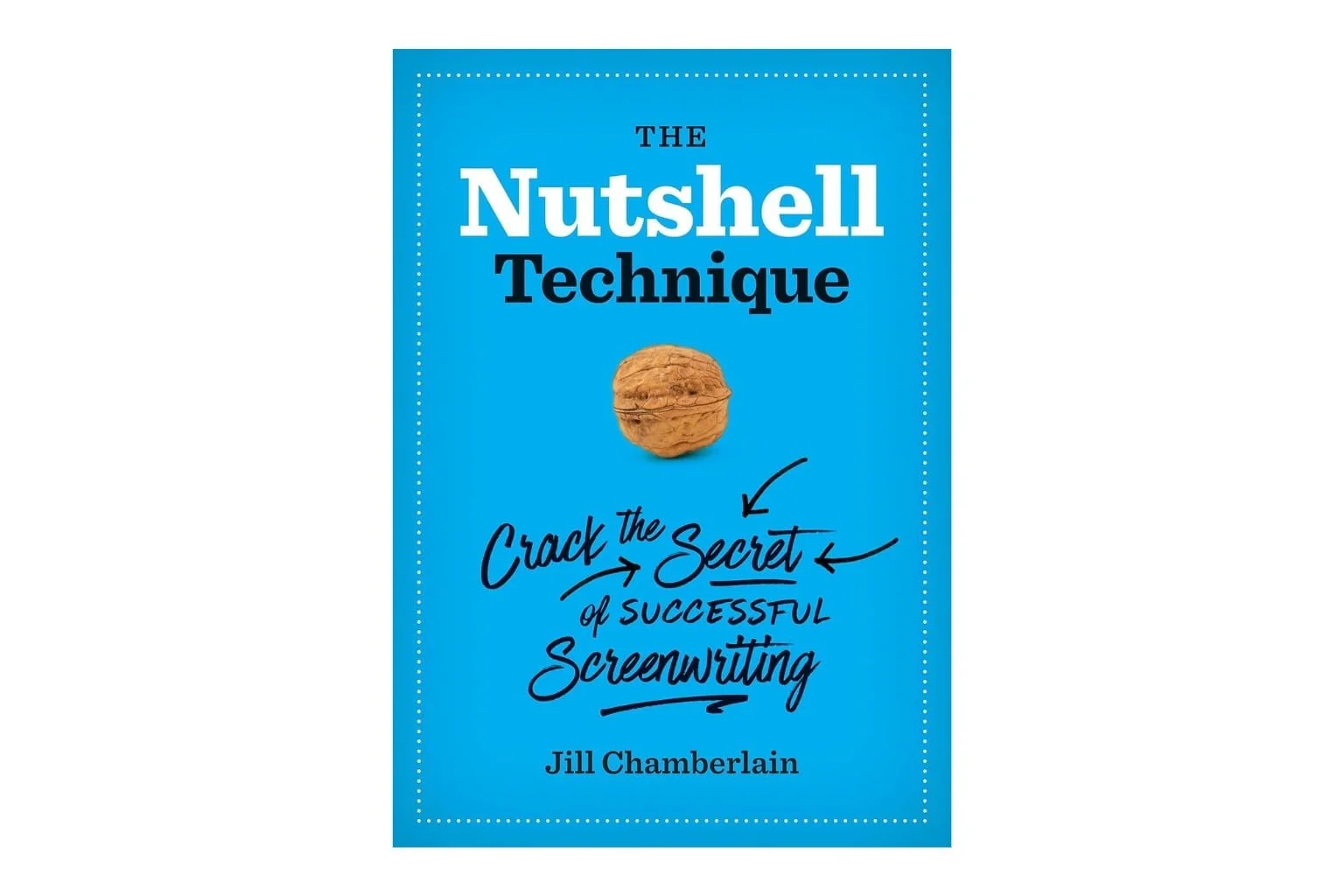
Jill Chamberlain’s 'The Nutshell Technique' review
Overview: teaches screenwriters to build plot from a character’s flaw and transformation, not formula.
Concept: the book’s “Nutshell” structure links character, theme, and plot for emotionally cohesive storytelling.
Strength: clear, practical framework, great for fixing second-act slumps and weak character arcs.
Weakness: less suited to ensemble or action-heavy scripts.
Conclusion: strong recommendation for adding to your understanding of the relationship between plot and character.

Blake Snyder’s 'Save the cat!' review
Overview: teaches screenwriters to build plot from audience investment and commercial beats, not intuition alone.
Concept: the book’s beat sheet and Save the Cat! principle break storytelling into market-tested steps that ensure emotional engagement and momentum.
Strength: clear, accessible structure that demystifies Hollywood pacing and genre, especially useful for beginners and writers aiming for mainstream appeal.
Weakness: formula-heavy approach can feel restrictive and may lead to predictable story choices in more unconventional or experimental scripts.
Conclusion: strong recommendation for anyone learning classic commercial story craft, even if your goal is eventually to bend or break the rules.
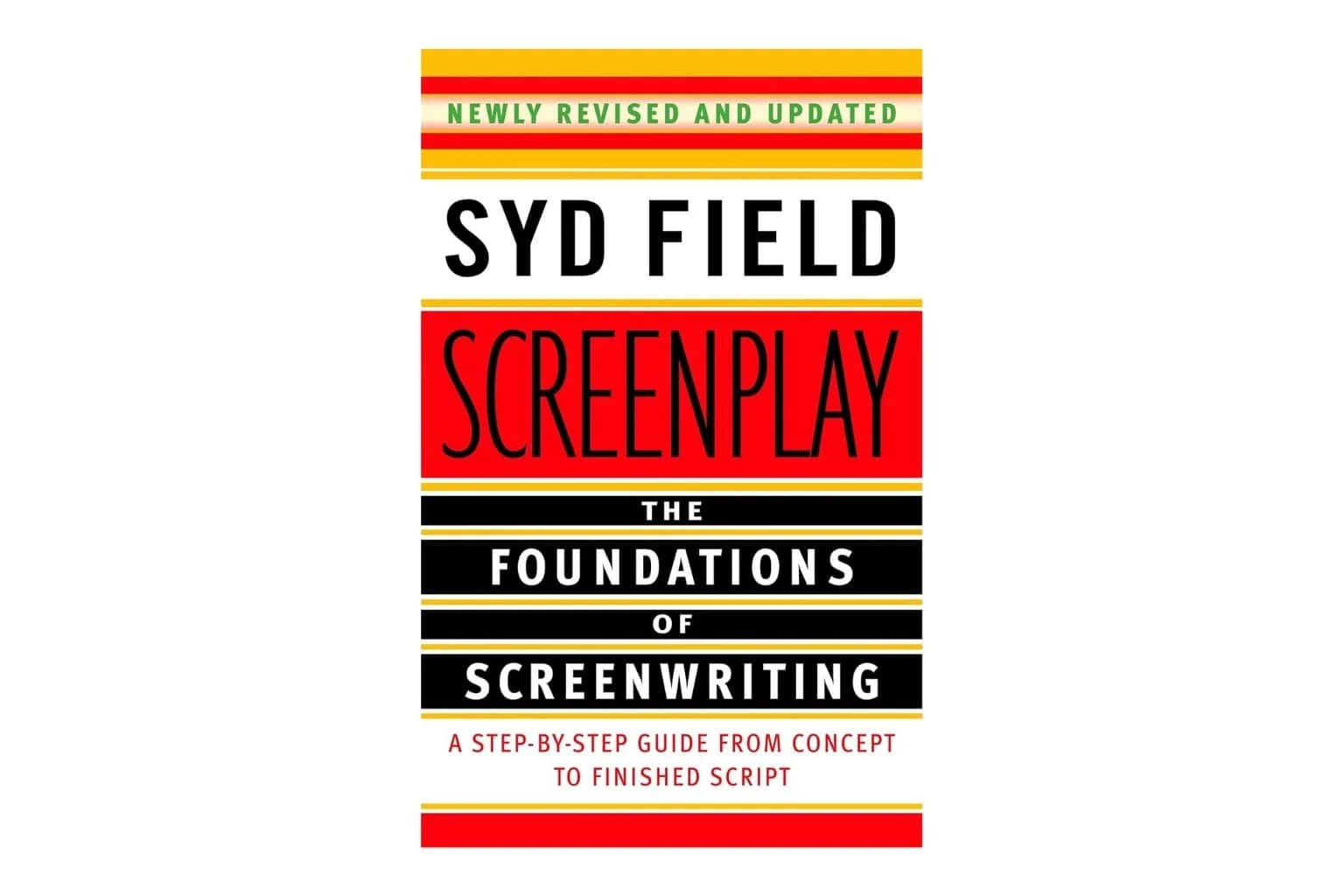
Syd Field's 'Screenplay' review
Overview: teaches screenwriters the foundational three-act structure and plot-point pacing that shaped modern screenplay theory.
Concept: Field’s method links character motivation to structural turning points, using act breaks and plot points to guide story momentum.
Strength: clear, systematic instruction with practical tools for pacing, scene work, and character goals, reinforced by classic film examples.
Weakness: rigid page-count focus and conventional structure make it less useful for non-linear or experimental storytelling approaches.
Conclusion: essential foundational reading for understanding traditional screenplay structure, whether you follow it strictly or evolve beyond it.
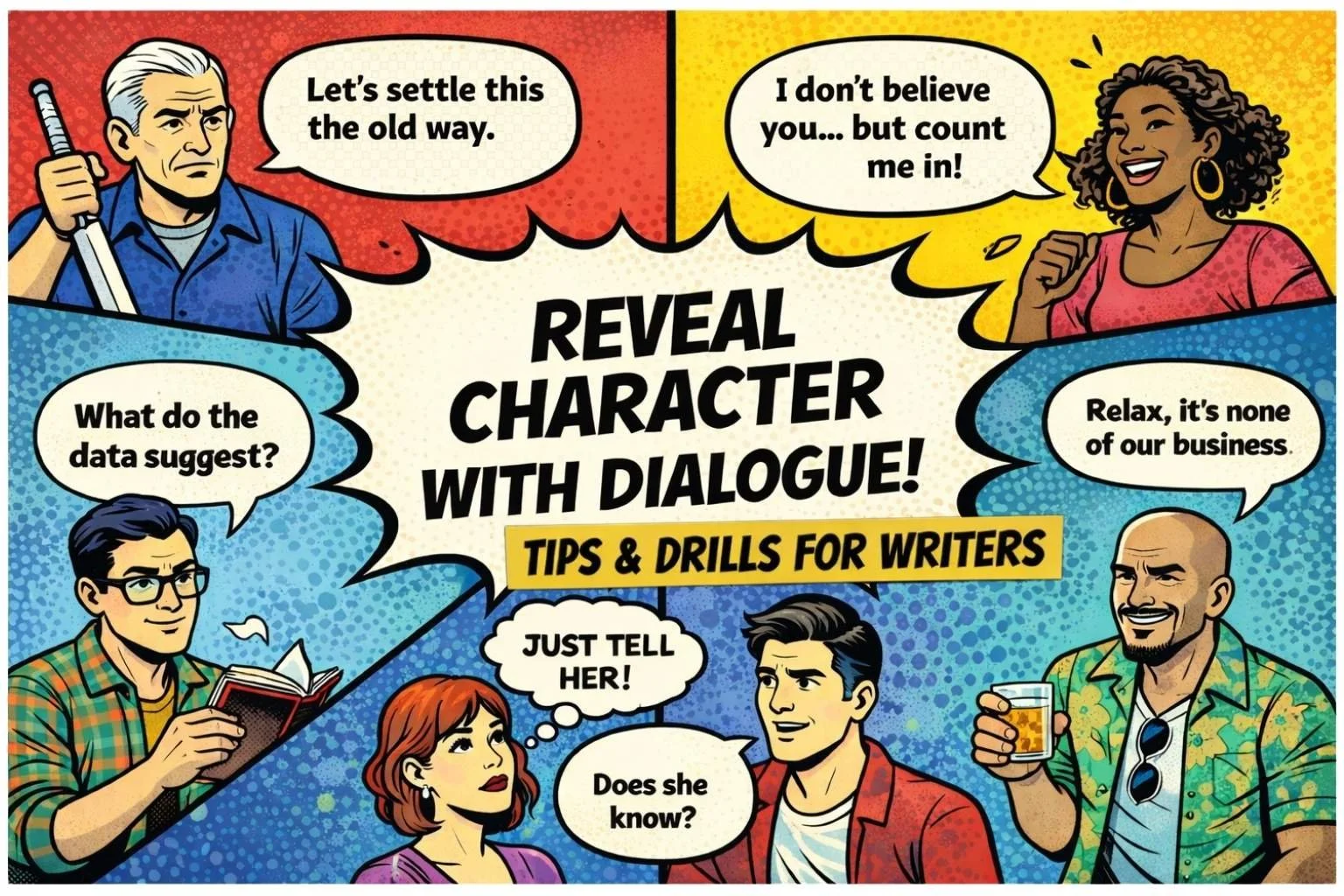
Reveal character with dialogue: tips & drills
Use dialogue to perform the character’s narrative role
Use archetype as a baseline for your dialogue
Let justifications for their decisions establish how the character perceives the world
Use reactions in dialogue to reveal what the character values
Force their beliefs into spoken action during a dilemma
Embed character traits and quirks into the spoken line’s underlying action
Use vocabulary, not facts, to reveal character background
Make the spoken line behave like that mind would behave

Making characters sound unique: 6 practical tips
Anchor dialogue to each character’s thematic contrast to the protagonist
Make the character’s unique voice behavioral, not stylistic
Use background and personality to shape vocabulary
Give each character their own phrasing and idiolect
Give your characters contradictory traits
Reveal contrast through scene pairings